



back


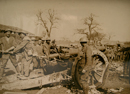
216 siege battery main page

216 siege battery RGA sitemap


lvg

cv

links

Newly acquired information and latest updates.
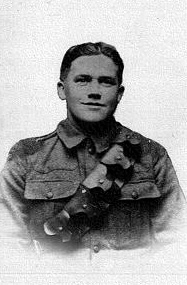
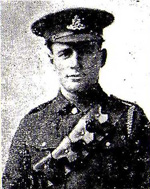
216 siege battery S.Robinson

Gunner Samuel Robinson


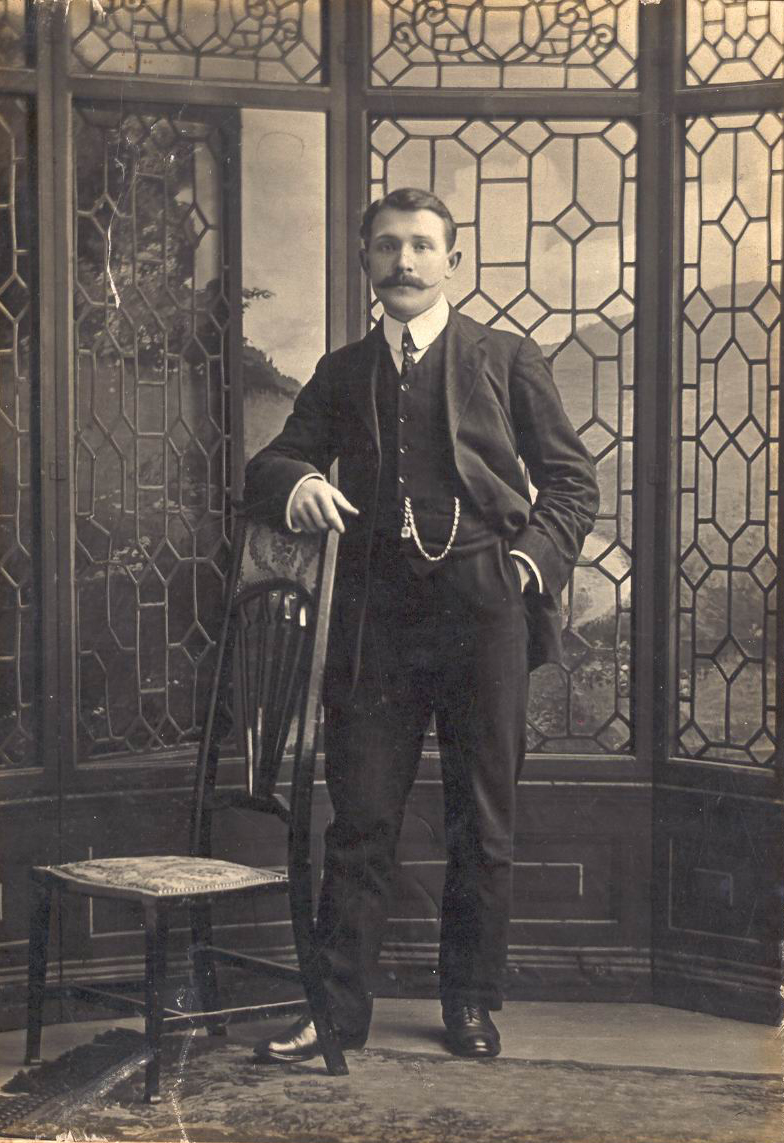
216 siege battery William waters

Bombardier William Waters


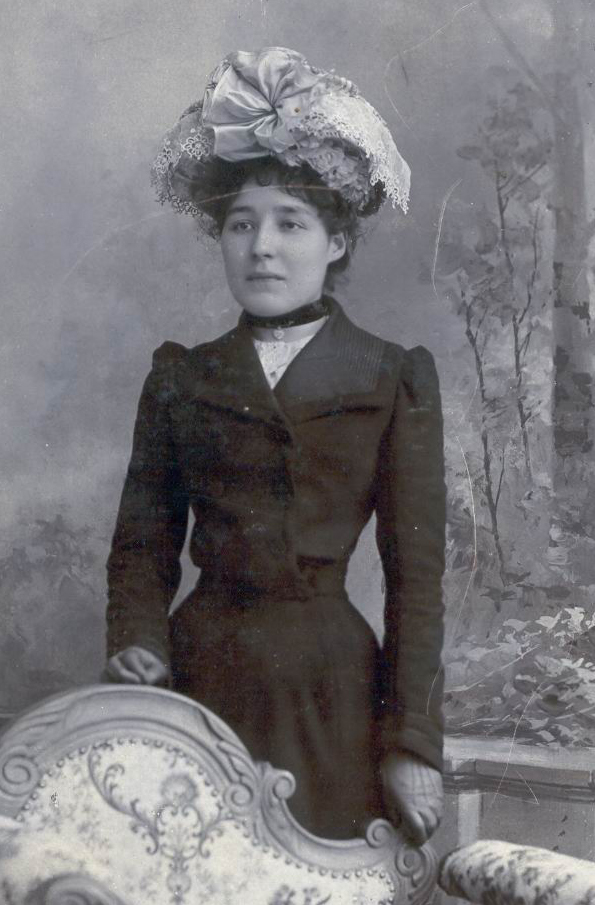
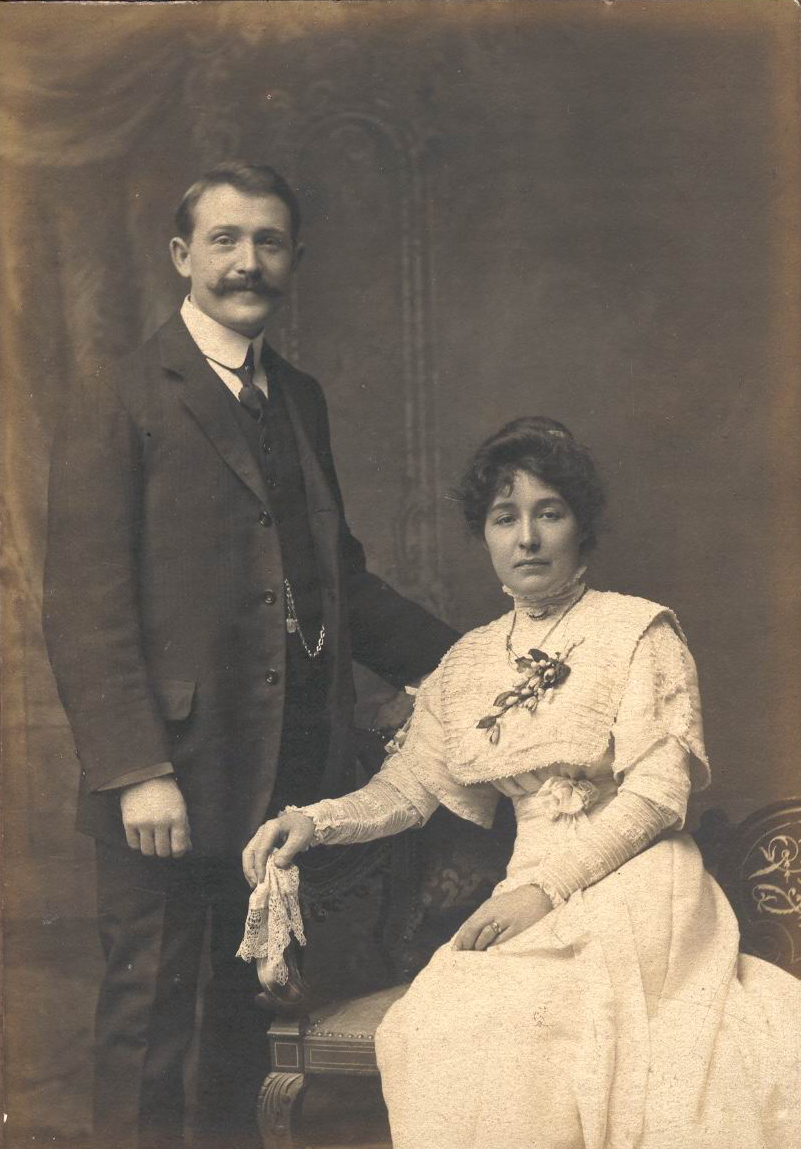
The life and times of Albert Lewis.
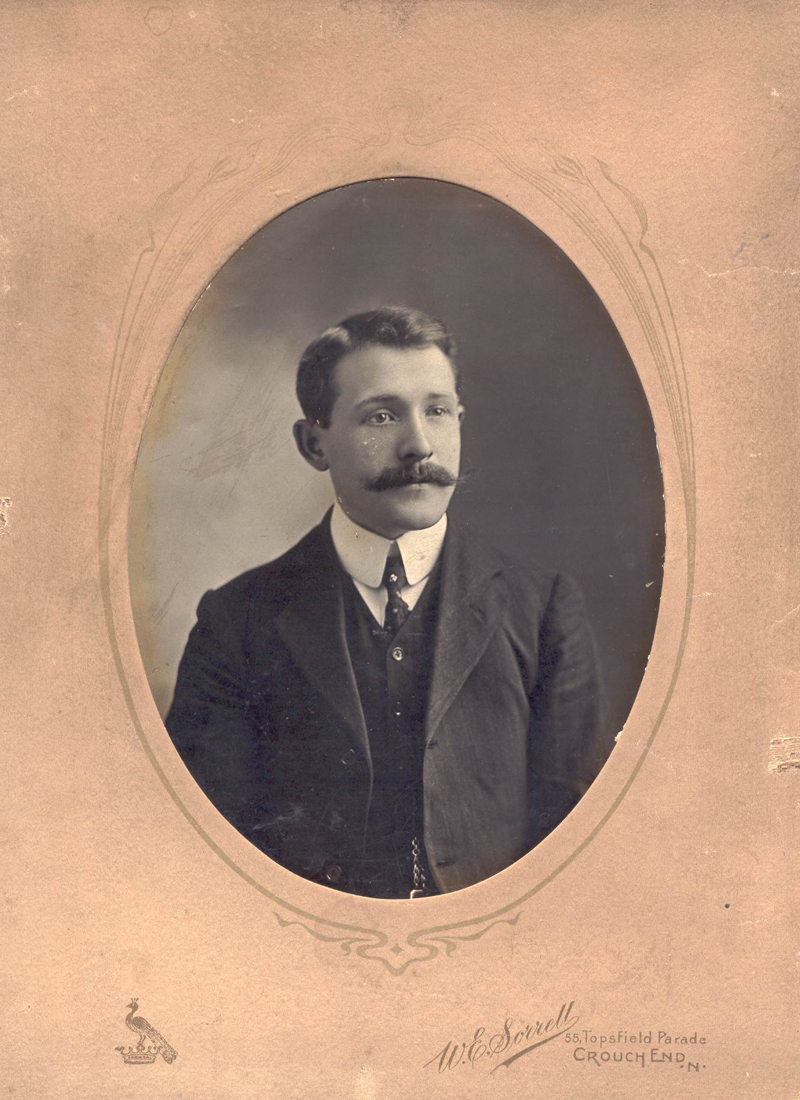
bert


bertyoung


annie


bertannie

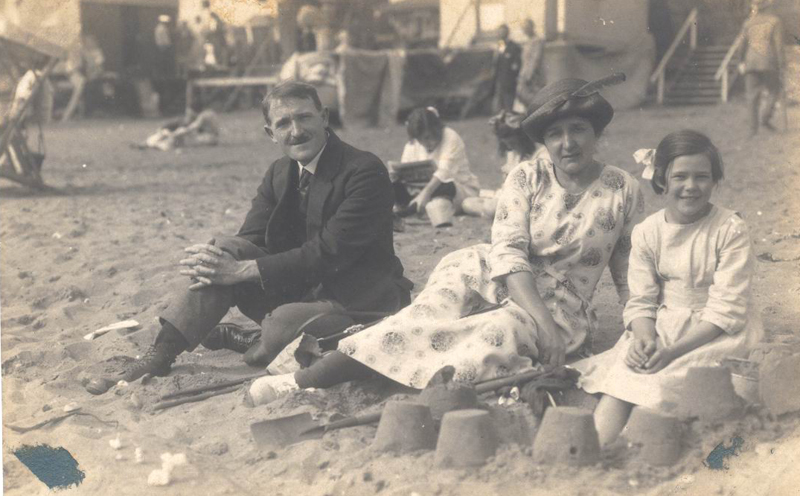
1911

anniemaudie

lotsoflovedaddy

1917

maudie

December 1917

lewisfamily

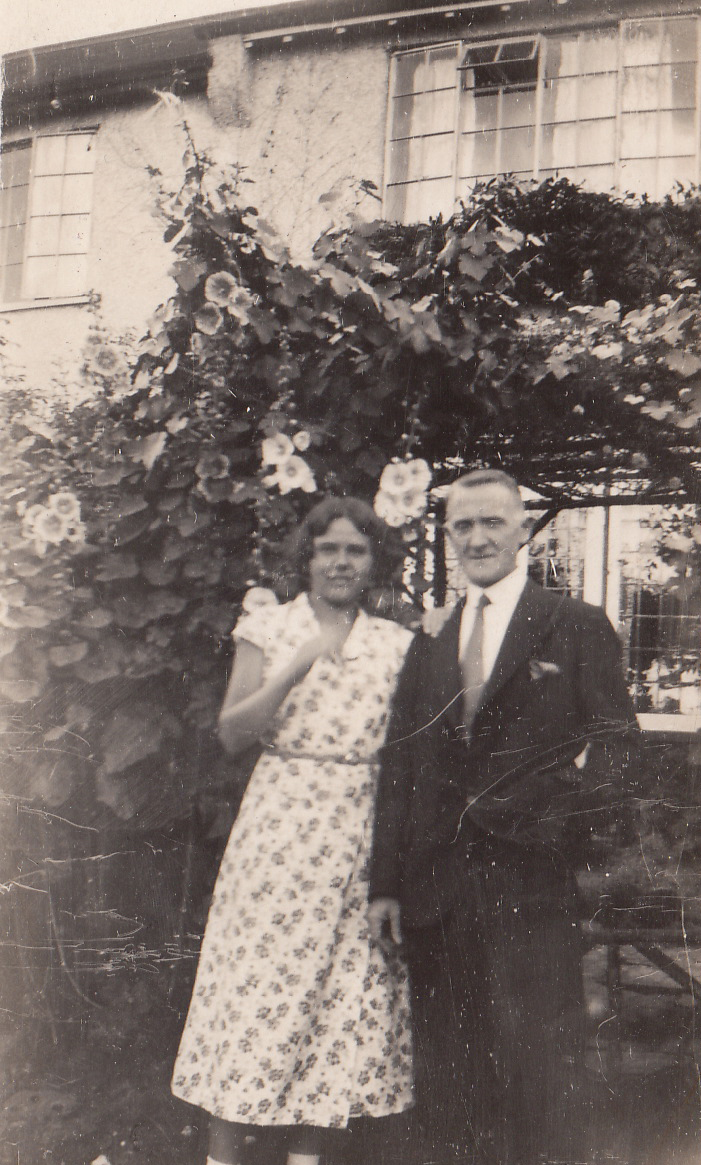
Early 1920's

IOW

1922

norbury1

late 1940's ?

anniemaudie

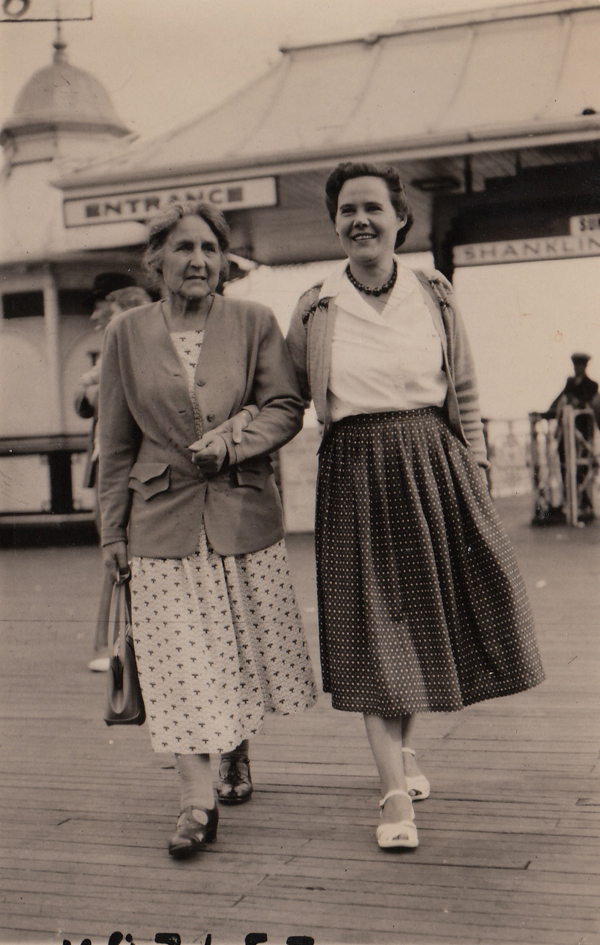
1952

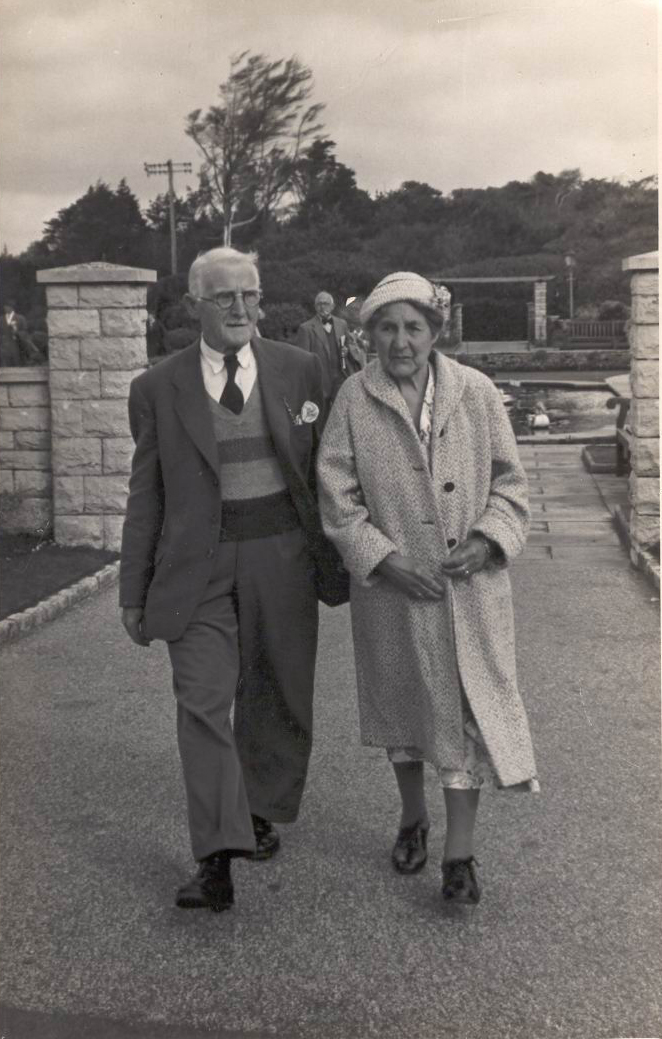
1957

1957

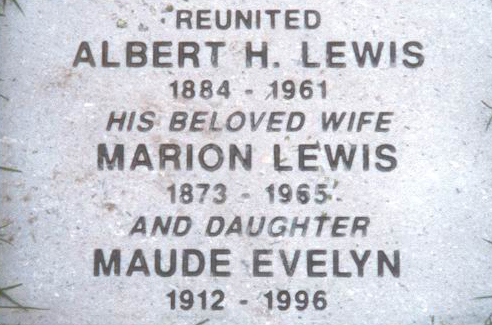
headstone


216 Siege Battery Main page


The Western Front Somme/Albert region, northern France.

The Diary of Sgt.Albert H Lewis, 216 Siege Battery RGA from 1916 to 1918.

By way of a brief introduction.

Albert H Lewis was born in 1884 and died in 1961.

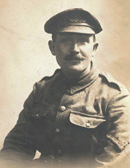
He was my great-uncle on my father's side. I remember him when I was a child in the 1950's but unfortunately did not have the interest or the means to question him about his exploits in the Great War. My memories were of a white haired old man whose gentle manner gave no clue as to his exploits in World War One.
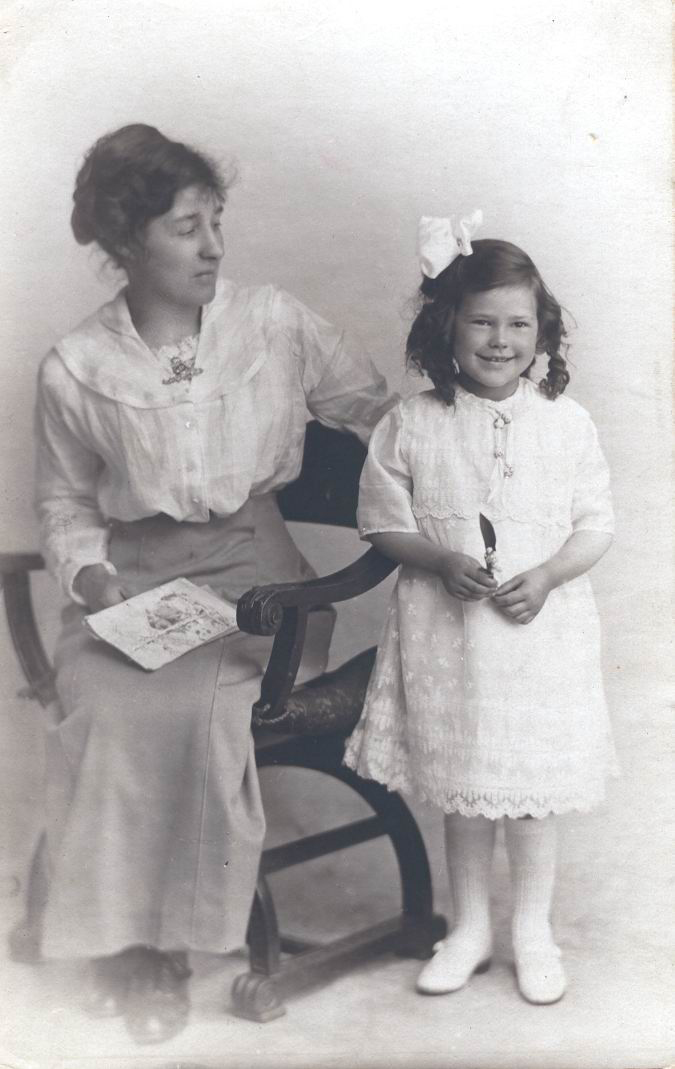
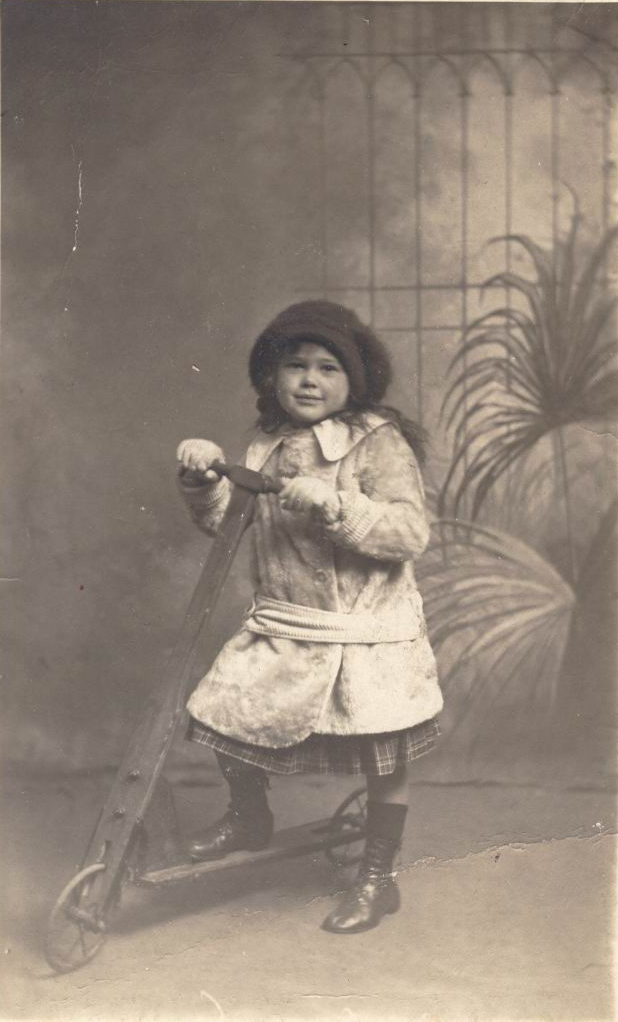
He lived most of his working life in Croydon and was a printer compositor by trade. He was married to his cousin Annie (not uncommon in those days) and had one daughter Maude who never married but spent a good part of her life breeding Scottish terriers.
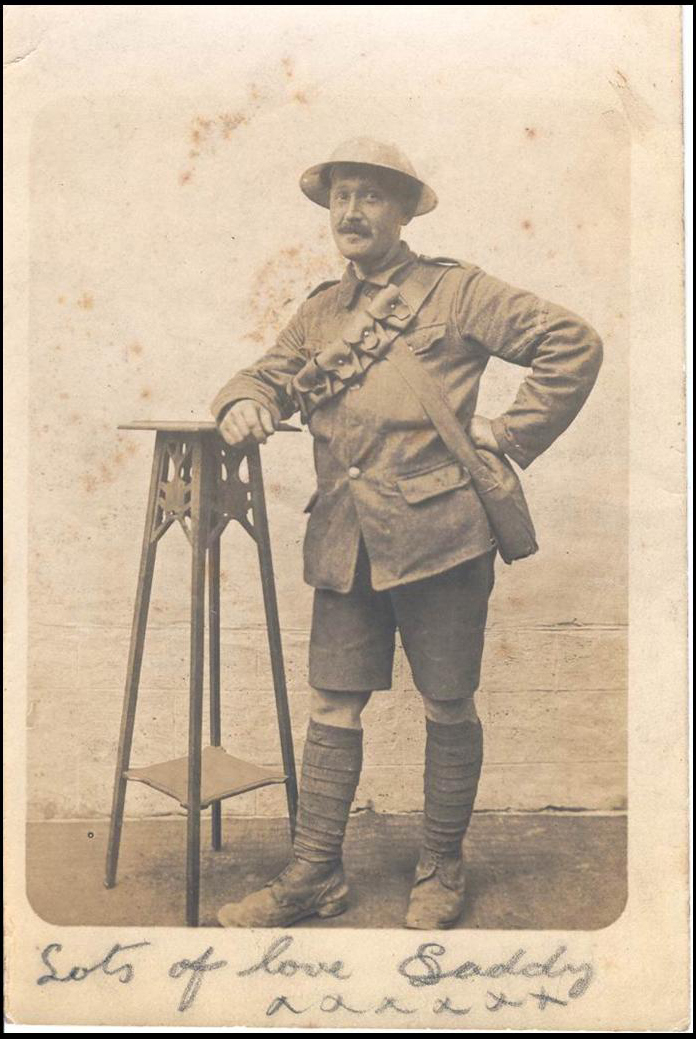
At the outset of the war in 1914 'Bert was already 30 years old and by the time he arrived in France, towards the latter part of 1916, he was 32. He trained as a gunner and joined the newly formed 216 Siege Battery of the Royal Garrison Artillery using the recently converted 6-inch siege howitzer.

Almost from the moment he landed in France he kept a diary and recorded events as he saw them, sometimes in considerable detail and sometimes very hastily scribbled in pencil. Like many soldiers writing of their experiences at the time Bert would often describe events with a degree of detachment that belied the horror which he undoubtedly experienced and invariably countered with a characteristic dark sense of humour.
The diary also gives a true insight into the nature of warfare from the viewpoint of an artilleryman during the Great War.

bert1


Here was an ordinary God-fearing family man thrust like so many before him into that great mincing machine called the Western Front. Writing this diary was one way in which he held on to his sanity in surroundings that most of us could barely imagine. His sense of duty and honour is of a bygone age when values were simpler than today and the diary is a poignant reminder of the sacrifice made by a generation, existing now only as memories that reach back to us through artefacts like this diary.


The Diary

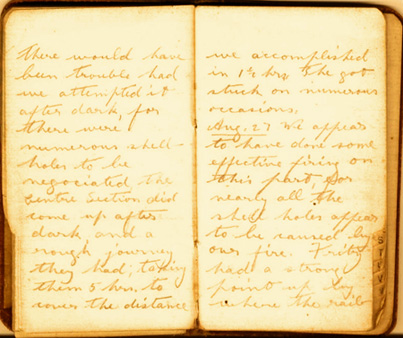
diary

The diary "surfaced" in the early 1990's when Maude (who never married) became seriously ill and my parents went to visit her in hospital. When she mentioned that her father kept a diary during his time in France, my father mentioned my interest in the Great War and she promptly gave him the diary mentioning also that he won the Military Medal and that it was on display in the Woolwich Artillery Museum. Maude died in 1996 at the age of 84 bequething both the diary and many photographs to my father, her only surviving relative. Sadly my father passed away in 2008.

Here the cover and inside of the diary are shown about 3/4 actual size. The cover has the words "Where is it ?" embossed on it.

Because of the alphabetically sequenced pages it is in all probability an address book pressed into service because it fitted conveniently into the left breast pocket of his uniform. It took me some time to decipher some of the place names mentioned as Bert had his own way of spelling them. Keeping such a diary during active service on the Western Front was probably forbidden and I would imagine that most of the entries would have been made in a less than obvious manner !

Keeping a diary can be seen as a way of immortalising oneself particularly when the abrupt ending of your own life was a distinct possibility. It can also be seen simply as a desire to record a period of time in ones life that was so immense in its portent and significance that it was most unlikely to ever happen again and since digital phone cameras were not available, a diary discretely kept was the frontline equivalent!


War Poetry


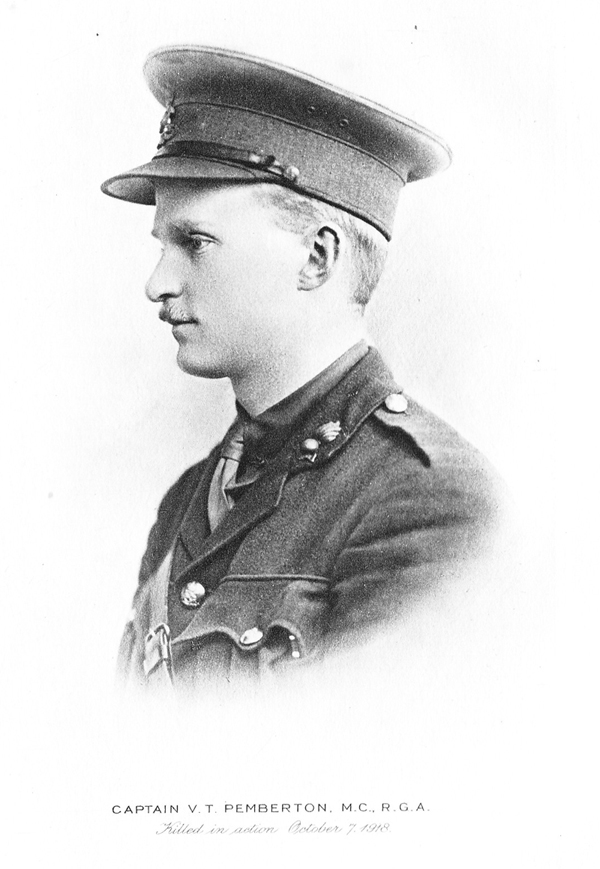
vtp

Captain.V.T.Pemberton, M.C

216 Siege Battery RGA


Captain V.T.Pemberton was killed in action at Sancourt on 7th October 1918. In 1919 an anthology of his poems was posthumously published under the title "Reflections in Verse".

Among the many poems dealing with various themes, there are some which reflect his views on the war that he was fighting prior to his death.


THE SONG OF A SAD SIEGE GUNNER

(Dedicated to all kindred disillusioned souls that have once believed in Journalists and schools of Gunnery)


I used to think I'd like to see the thing that men call war,

To hear machine-gun bullets swish and high explosives roar,

To feel my blood course through my veins afire with battle's lust,

I used to think I'd sell my soul for one good bayonet thrust.


Beach Thomas filled my brains with many dreams of fierce delight,

Of trenches full of sturdy Britons spoiling for a fight

Of grey dawn rising slowly o'er the valley of the Somme,

Of great clouds rent asunder by the burst of shell and bomb.


I.G's who did a Cook's tour once a year to

With formulae and slide rule slightly changed my point of view,

They filled my brain with factors and siege gunner's rules of thumb,

But still I lived in hopes of mighty fights that were to come.


I read the rules of ranging till I knew them off by heart,

I studied tracts on camouflage and trajectory charts,

I had the M.V.'s painted on the muzzles of the guns,

And dreamed each night I'd bracketed advancing mobs of Huns.


At railhead where he spent three days the B.S.M. went sick,

I almost wept for him, poor chap, it seemed a bit too thick,

And with breaking voice I said good-bye, the brave man wore

Upon his face a patient smile - he had been out before.


Then we went up the line. I'll not forget my first abode,

A little rat-infested German dug-out near a road.

"Aha at last," I thought "discomfort ! Soon we'll see a fight."

And of mighty deeds I'd do the next day I dreamt all night.


For three long months we stayed there in that dreary sea of mud,

Surrounded by remains of what had once been flesh and blood.

We made a mighty dug-out thirty feet down in the earth

And there to many strange new thoughts my nimble mind gave birth.


I thought of all the brass hats and the tabs red, green and blue

That make so picturesque the colour scheme at G.H.Q.

And mentally I ceased to stoop to kiss their garments' hem,

I even dared one day to greet a passing A.P.M.


One dud day when the mist was thick and snipers couldn't snipe,

Or gunners range, I sat in my O.P and smoked my pipe,

And listened to the duckboards creak for an hour and a half

Beneath the martial tread of half the British General Staff.


I was the battery F.O.O. for eight months and a day

How many rounds I have observed I should not like to say,

But I've never used a slide rule or any formulae

And I do not even know the melting point of N.C.T.


The Gyn beneath whose baleful yoke at Lydd I bowed my head

Was buried deep and o'er its grave a grateful prayer I said.

We wrote it off destroyed by shell fire, thus we hid our sin,

And saved instead two dozen Vermouth and a case of gin.


I've heard the anguished stricken cry of strong men and of weak,

I've seen the limbless try to walk, the jawless try to speak,

I've seen brave men grow sick with fear and grovel in the dust,

But never have I seen blood drawn with one good Bayonet thrust..


LVG CVI Halberstadt CV 216 diary contact me artwork links Home top